4th World Congress on
Addiction Medicine, Behavioral Health and Psychiatry
THEME: "Transforming Addiction and Behavioral Health Through Innovation and Global Collaboration"
 22-23 Mar 2027
  Paris, France
 THEME: "Transforming Addiction and Behavioral Health Through Innovation and Global Collaboration"
22-23 Mar 2027
Paris, France 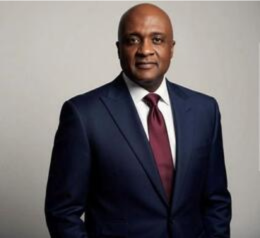
Transformers Academy, LLC, United States
Title: TAMAR (Trauma, Addiction, Mental Health, and Recovery)
Dr. Angelo Reynolds helps people overcome life’s toughest setbacks – including trauma, addiction, loss, and life transitions – and rebuild with confidence, resilience, and purpose. He does this through speaking, transformational training, workshops, coaching, and his proven mindset tools from the Transformers Academy – a system he created based on his own journey from hardship to achievement.
Dr. Angelo Reynolds has over thirty-five years of experience working in the human services and educational arenas. He began his career working as a Metropolitan DC Police Officer where he served for five years. In 1998, Dr. Reynolds decided he needed a change and began working in the educational arena. He has worked as a peer mediation specialist working with severely emotionally disturbed students; a training facilitator for clients released from prison who were looking to re-engage in the workforce; and an adjunct professor at Bowie State University where he taught undergraduate psychology classes. He also taught educational leadership classes at the University of Maryland Graduate School.
Dr. Reynolds now works as a professional speaker and thought leader. His focus is to empower and motivate individuals who are trying to overcome trauma. His personalized training and workshops focus on moving people from confusion and pain into transformation and action. He helps individuals and organizations transform struggle into strength – equipping them with the mindset, tools, and resilience to rebuild their lives with purpose, confidence, and unstoppable momentum. Angelo holds a Bachelor of Science in Communications from Bowie State University, a Master of Arts in Counselling Psychology from Bowie State University, and a Doctor of Philosophy in Education and Public Policy from American University.
