4th World Congress on
Addiction Medicine, Behavioral Health and Psychiatry
THEME: "Transforming Addiction and Behavioral Health Through Innovation and Global Collaboration"
 22-23 Mar 2027
  Paris, France
 THEME: "Transforming Addiction and Behavioral Health Through Innovation and Global Collaboration"
22-23 Mar 2027
Paris, France 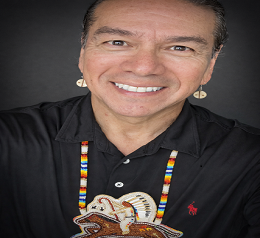
Bemidji State University, United States
Title: Addressing Suicide Among American Indian and Alaska Native Veterans: Indigenous Frameworks for Substance Use and Mental Health Practitioners
Dr. Mark Standing Eagle Baez is a psychologist, Associate Professor of Clinical and Counseling Psychology, and President of the Society of Indian Psychologists. A citizen of the Coahuiltecan Tribe with Mohawk, Pawnee, and Mexican heritage, he brings over 18 years of experience in mental health, wellness, and Indigenous community engagement.
Dr. Baez is recognized for integrating Western evidence-based practices with Indigenous knowledge systems to create culturally responsive approaches to mental health care. He developed the Sweetgrass Method, an innovative framework that blends Indigenous practice-based knowledge with contemporary psychological interventions, and led the development of the Indigenous S.A.F.E. Screening Tool, a culturally grounded suicide prevention instrument for Indigenous communities.
In addition to maintaining a small private practice, Dr. Baez co-directs the Indigenous Students in Psychology Training (InPsyT) program and mentors Native students nationwide. A published author and frequent national and international speaker, he is dedicated to advancing Indigenous mental health, health equity, and culturally responsive behavioral healthcare.
American Indian and Alaska Native (AI/AN) Veterans experience disproportionately high rates of substance use disorders (SUDs), suicide, and co-occurring behavioral health conditions. These disparities are influenced by the intersecting effects of historical trauma, colonization, military service-related stressors, systemic inequities, and limited access to culturally responsive healthcare. Despite advances in addiction medicine and behavioral health treatment, many conventional evidence-based interventions have demonstrated reduced effectiveness when applied without consideration of Indigenous worldviews, spirituality, kinship networks, and community-centered approaches to healing.
The objective of this presentation is to introduce an Indigenous-informed behavioral health framework designed to support addiction medicine, psychiatry, and mental health professionals working with AI/AN Veterans. The framework seeks to bridge Western evidence-based practices with Indigenous practice-based evidence to improve engagement, treatment relevance, and recovery outcomes.
Methods included a conceptual synthesis of Indigenous healing principles, community-informed behavioral health approaches, veteran-serving practices, and established evidence-based interventions for substance use and suicide prevention. Particular attention was given to culturally grounded protective factors identified within Indigenous communities and Veteran populations.
Results indicate that five interconnected domains form the foundation of the proposed framework: (1) cultural identity and belonging, (2) spirituality and traditional healing practices, (3) family and kinship relationships, (4) community accountability and social connectedness, and (5) culturally responsive clinical care. Collectively, these domains promote resilience, strengthen recovery capital, reduce stigma, and enhance trust between AI/AN Veterans and behavioral health providers. The framework also provides practical guidance for culturally adapted screening, treatment planning, recovery support, and suicide prevention services.
In conclusion, integrating Indigenous knowledge systems with evidence-based addiction and mental health interventions offers a promising pathway for addressing substance use disorders and suicide risk among AI/AN Veterans. This framework provides clinicians, educators, and veteran-serving organizations with a culturally responsive approach that honors Indigenous strengths, supports holistic healing, and advances more equitable behavioral healthcare outcomes.
