4th World Congress on
Addiction Medicine, Behavioral Health and Psychiatry
THEME: "Transforming Addiction and Behavioral Health Through Innovation and Global Collaboration"
 22-23 Mar 2027
  Paris, France
 THEME: "Transforming Addiction and Behavioral Health Through Innovation and Global Collaboration"
22-23 Mar 2027
Paris, France 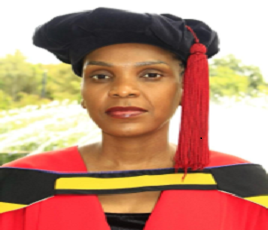
University of the Free State, South Africa
Title: Navigating the Parental Burden of Adolescent Substance Abuse: Untold Stories of Parents in Limpopo Province, South Africa
Dr LS Hlahla is a nurse educator, researcher, and Senior Lecturer in the School of Nursing at the University of the Free State. She holds a PhD in Health Sciences, a Master of Nursing, a Bachelor of Nursing, and qualifications in Nursing Education. Research interests include mental health, substance abuse, and family-centred care.
Background:
Adolescent substance abuse affects not only the individual but also families, particularly parents who assume responsibility for care and support. When adolescents abuse substances, parents may have to reorganise their daily lives, relationships, finances, and caregiving responsibilities to accommodate the new circumstances. However, parents may experience significant emotional, social, and practical challenges that can compromise their ability to provide effective support. Understanding these challenges is essential for strengthening family-centred interventions and support services.
Methods:
A qualitative, exploratory, descriptive, contextual research design was employed to explore the challenges experienced by parents of adolescents who abuse substances. Participants were selected using homogeneous purposive sampling. Data were collected through semi-structured individual interviews using an interview guide. Data saturation was reached after 14 participants. Tesch’s method of qualitative data analysis was used to analyse the interview data.
Results:
The findings revealed that parents experienced multiple challenges while caring for adolescents who abuse substances. These included difficulties related to adolescents’ non-adherence to medical advice, violent and disrespectful behaviour, and stealing to sustain substance-use behaviours. They also experienced inadequate support from nurses, limited assistance from other healthcare professionals, and insufficient support from family members. Parents also reported that these challenges contributed to considerable strain on their caregiving roles.
Conclusion:
Parents of adolescents who abuse substances experience substantial challenges requiring multidimensional support. Strengthening family involvement and equipping healthcare professionals with appropriate skills to support affected families may improve parents’ capacity to cope with and manage adolescent substance abuse.
